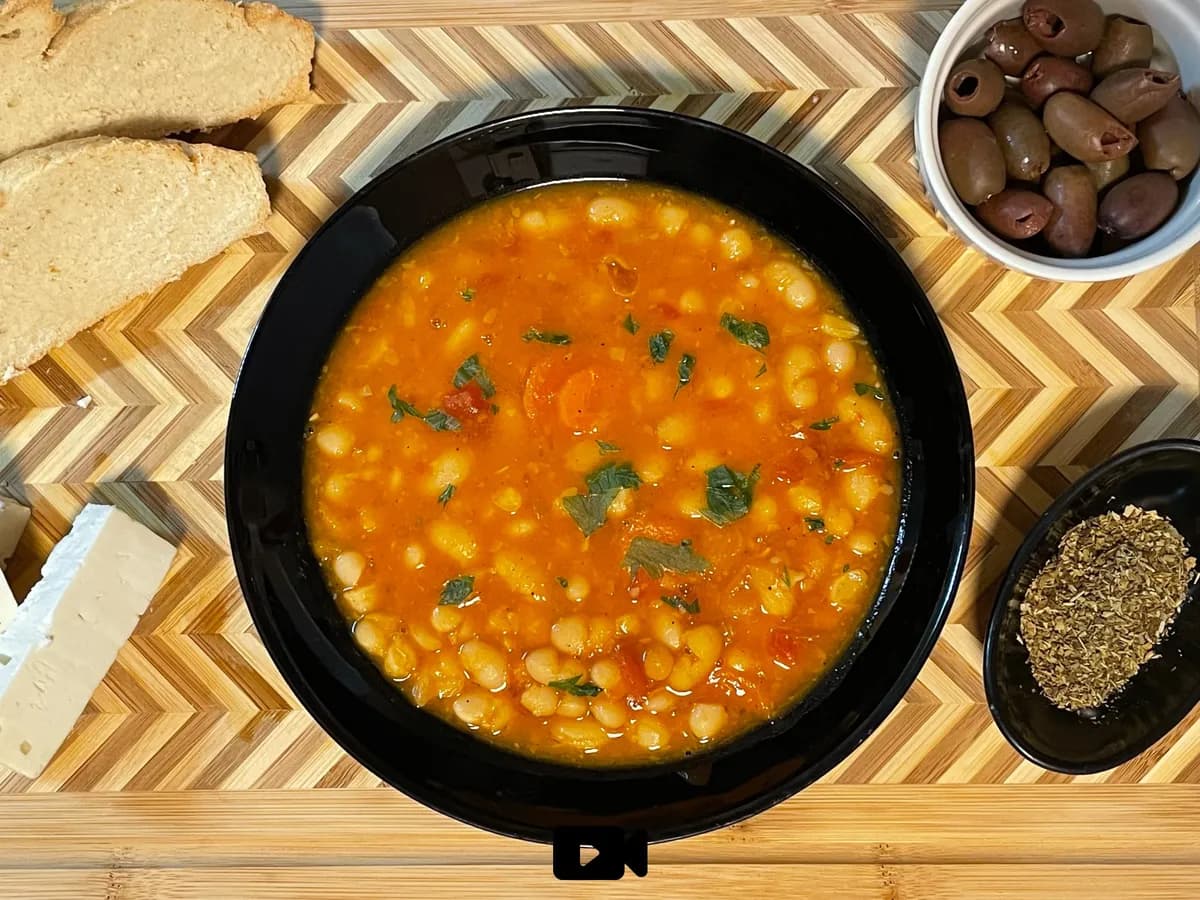
Yiayia Kikitsa's Fasolada — Greece's National Bean Soup
EverydayThe fasolada I learned from Yiayia Kikitsa — simple, humble, and deeply satisfying. The traditional southern Greek style that quietly sustained entire villages.
Yiayia Kikitsa's Fasolada — Greece's National Bean Soup
The fasolada I learned from Yiayia Kikitsa — simple, humble, and deeply satisfying. The traditional southern Greek style that quietly sustained entire villages.
1Ingredients
- 1 lb dried white beans
- 1 large onion, chopped
- 2 carrots, sliced
- 2 celery stalks, chopped
- Leafy celery tops or tender greens (optional, added later)
- 2 tbsp tomato paste or 1 cup crushed tomato
- 1-2 bay leaves
- Salt & black pepper
- 1/3-1/2 cup EVGE extra virgin olive oil
- Juice of 1 fresh lemon
2Instructions
Fasolada is often called the national food of Greece, and for good reason. For generations it was the weekly meal that appeared in homes across the country regardless of region, income, or season. Farmers, fishermen, children, and grandparents all grew up on the same pot of beans slowly cooked in olive oil.
The version I cook today is the one I learned years ago from Yiayia Kikitsa. It is the traditional southern Greek style: beans simmered with onion, carrot, celery, bay leaves, tomato, olive oil, and finished with fresh lemon and more raw olive oil at the end.
It is simple, humble, and deeply satisfying — the kind of food that quietly sustained entire villages long before anyone used the word "Mediterranean diet."
In Greece this is not considered special food or diet food. It is simply the food people lived on.
Soaking
Soak beans overnight in plenty of water (10-12 hours).
Choosing Your Bean Preparation
1) Traditional Flavor Method — Skim Only
Drain soaked beans and place in fresh water. Bring to a boil and skim off the foam, then continue cooking.
Why some Greeks prefer this:
- Fuller bean flavor
- Richer broth
- More nutrients retained
2) Lighter Digestion Method — 10 Minute Boil & Drain
Boil beans 10 minutes, drain completely, and start the soup in fresh water.
Why some Greeks prefer this:
- Easier digestion
- Lighter feeling after eating
Trade-off: You lose some bean flavor and a portion of water-soluble nutrients, but the soup can feel gentler on the stomach.
Choosing How to Build the Soup
A. Direct Pot Method (Most Traditional)
-
Beans + fresh water
-
Add onion, carrot, celery, bay leaves
-
Simmer about 45 minutes
-
Add tomato and half the olive oil
-
Salt & pepper
-
Continue cooking until beans are very soft and creamy
This is closest to old village cooking — everything cooks slowly together and the broth develops naturally from the beans.
B. Saute-First Method (Especially if you boiled and drained the beans)
-
Saute onion in olive oil with a pinch of salt
-
Add carrots and thicker celery pieces
-
Stir in tomato paste and cook briefly
-
Add beans
-
Add water and bay leaves
-
Simmer until beans are tender
This method restores flavor lost from draining and builds a deeper taste.
Tender greens or leafy celery tops are added near the end.
When the Beans Are Ready
The soup is done only when the soup looks cloudy and the beans are very soft, creamy, and almost falling apart.
The Greek Finish (Essential Step)
Turn off heat and add:
- Fresh lemon juice
- Remaining raw olive oil
Let the pot rest 20-30 minutes before serving.
Bean and legume dishes in Greece are always generously finished with olive oil — not as garnish, but as nourishment.
Why Lemon Is Added
Lemon is more than flavor.
- Balances the richness of beans and olive oil
- Improves iron absorption from legumes (vitamin C effect)
- Helps digestion by stimulating stomach acid
- Preserves olive oil polyphenols during digestion
- Added at the end because cooking destroys vitamin C
Greeks discovered this by experience long before nutrition science explained it.
Regional Variations
- Northern Greece: often includes dried chili pepper
- Some homes add garlic or oregano
- Seasonal additions: spinach, chard, leek, cabbage, or zucchini
Polyphenol & Healing Upgrades
- Dried thyme, dried rosemary, dried sage and turmeric (the curcumin is activated more when combined with black pepper)
Serving
This soup is best enjoyed simply, with:
- Fresh bread — Carol's No Knead (super easy, too!)
- Feta cheese, olives, or cured fish on the side
- And always a little extra olive oil at the table
Why This Simple Food Matters
Regularly eating legumes cooked in olive oil provides:
- Plant protein
- Slow steady energy
- Gut-supporting fiber
- Protective plant compounds
This pattern of eating — beans, vegetables, and olive oil several times each week — is one of the major dietary foundations behind the long-lived, active populations traditionally seen in Greek villages.
3Tips & Notes
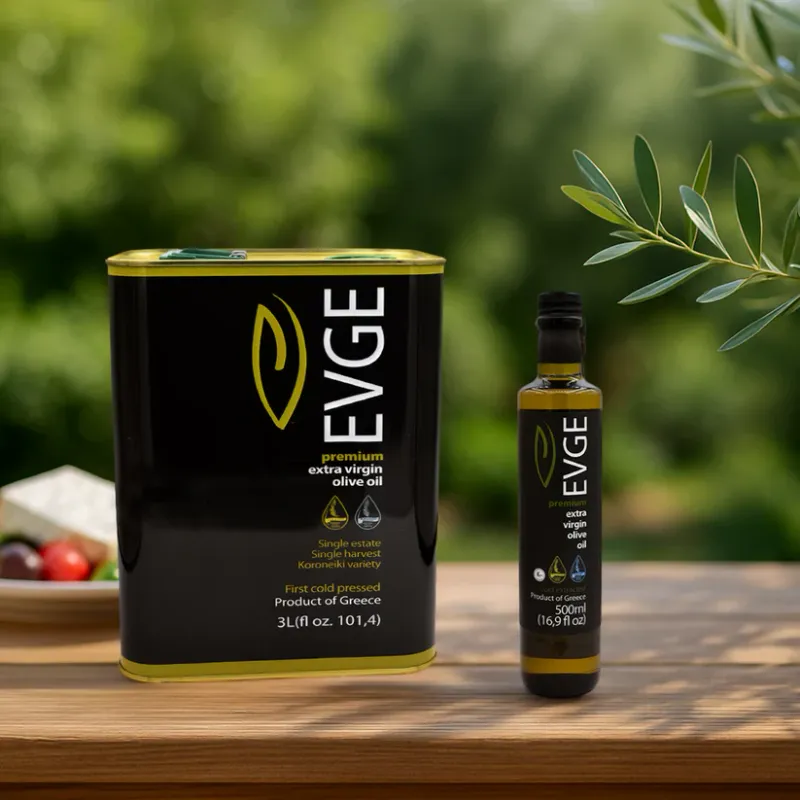
A Note on Olive Oil
For authentic results, use a high-quality extra virgin olive oil — and don't be shy with it. Greeks pour, not drizzle.
Shop EVGE Olive OilGet More Greek Recipes
Join thousands of home cooks getting authentic Greek recipes delivered weekly.
No spam, ever. Unsubscribe anytime.