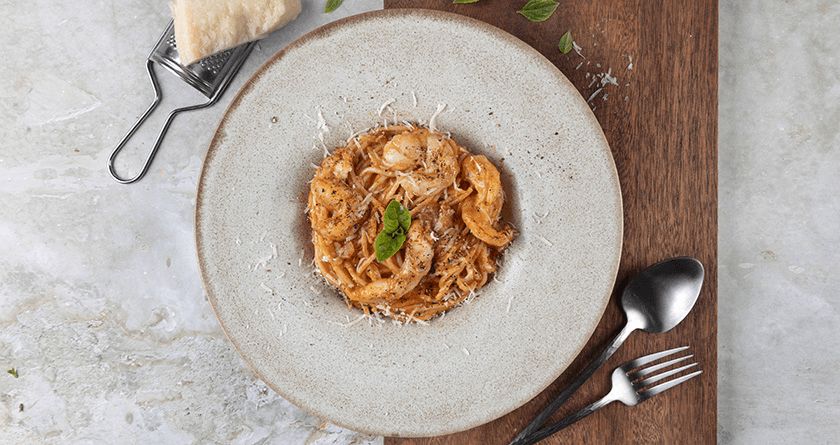
Shrimp Pasta in Tomato Sauce (Garidomakaronada)
WeeklyA beloved Greek shrimp pasta where the pasta finishes cooking in a light tomato sauce enriched with shrimp broth.
Shrimp Pasta in Tomato Sauce (Garidomakaronada)
A beloved Greek shrimp pasta where the pasta finishes cooking in a light tomato sauce enriched with shrimp broth.
1Ingredients
- 1 lb whole shrimp (with heads if possible)
- 3-4 tbsp EVGE extra virgin olive oil
- 2-3 garlic cloves, minced
- 1 small onion or 3-4 green onions, chopped
- 1 small red pepper, diced (optional but recommended)
- 3-4 tomatoes, pureed OR 1 (14 oz) can crushed tomatoes
- 1/4 cup white wine (optional)
- 1 lb pasta such as spaghetti
- Salt and freshly ground pepper
- Fresh basil
- Optional: shrimp powder
2Instructions
Garidomakaronada is one of the most loved Greek pasta dishes — shrimp cooked in a light tomato sauce and finished with pasta directly in the sauce.
Like lobster pasta, the depth of flavor comes from using the shells to create a broth, which enriches the sauce. This dish can be made simply or with more intensity, depending on how much shrimp flavor you want to build.
Prepare the Shrimp and Broth
- Peel and clean the shrimp, reserving the heads and shells.
- Boil the heads and shells in water for about 15 minutes to create a shrimp broth.
- Strain and set aside.
Cook the Shrimp
- Toss the shrimp with salt and minced garlic.
- Heat the olive oil in a pan and saute briefly until just pink.
- Add a splash of white wine, if using, and let it cook off.
- Remove the shrimp and set aside so they do not overcook.
Build the Sauce
Carol uses two good methods here.
Method 1: Parboiled Pasta
- While the sauce is simmering, boil the pasta in a pot with just enough salted water to cover it.
- Cook until it just begins to bend, about 2-3 minutes.
- Carefully pour off most of the water, reserving about 1 cup of starchy pasta water in the pot.
- Add a little pasta water to the tomato sauce to loosen it and bring it to a gentle simmer.
- Add the sauce directly into the pot with the pasta and reserved water.
- Continue cooking until the pasta is al dente, adding more pasta water if needed.
- Return the shrimp to the pot at the end and let everything sit briefly off the heat.
The pasta water is essential — it helps the sauce cling and creates a naturally creamy texture.
Method 2: Traditional All-in-One Pot
- After cooking the shrimp, add the onion, red pepper, and garlic to the same pan and saute until soft.
- Add the tomato and salt.
- Add shrimp broth and, if using, shrimp powder. The liquid should be enough to fully cover the pasta.
- Bring to a boil.
- Add the pasta directly into the sauce.
- Simmer until the pasta is al dente, stirring occasionally.
- Return the shrimp near the end and let the dish sit for about 10 minutes off the heat.
Which Method to Choose
- Method 1 gives more control, less sticking, and a thicker sauce.
- Method 2 is simpler and gives deeper integration of flavor.
Both are very Greek.
Variations
Ouzo
Use a splash of ouzo instead of wine for a more traditional flavor.
Spicy
Add chili flakes or a little fresh chili.
Lobster Version
The same method is used for astakomakaronada, Greek lobster pasta.
Serving
Serve with:
- crusty bread
- a simple green salad
- plenty of olive oil at the finish
This is exactly the kind of dish Carol references in Greek Rice & Pasta in Sauce — pasta cooked in the sauce, not separately.
3Tips & Notes
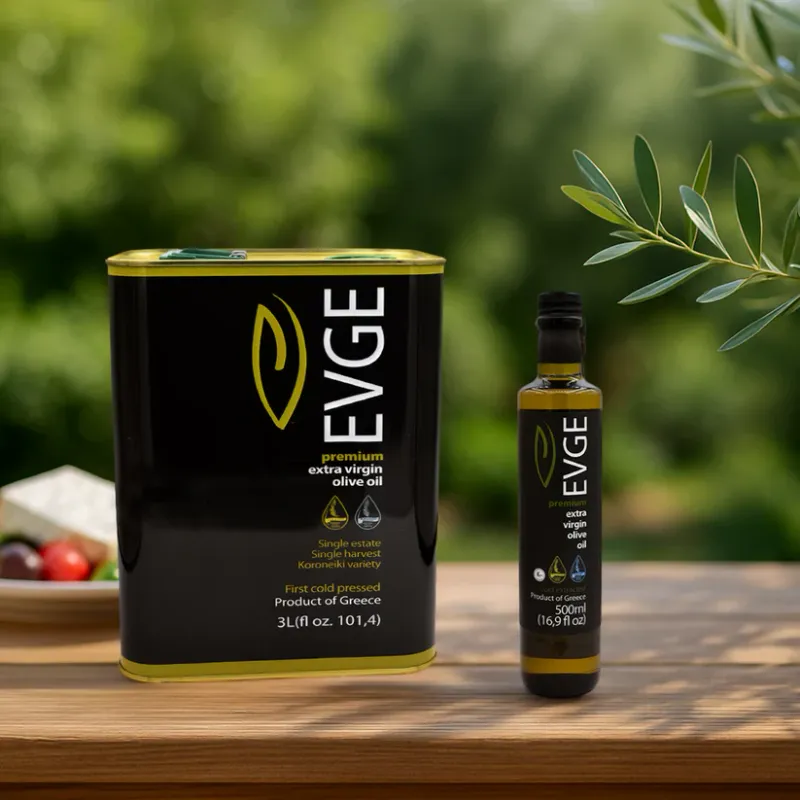
A Note on Olive Oil
For authentic results, use a high-quality extra virgin olive oil — and don't be shy with it. Greeks pour, not drizzle.
Shop EVGE Olive OilGet More Greek Recipes
Join thousands of home cooks getting authentic Greek recipes delivered weekly.
No spam, ever. Unsubscribe anytime.