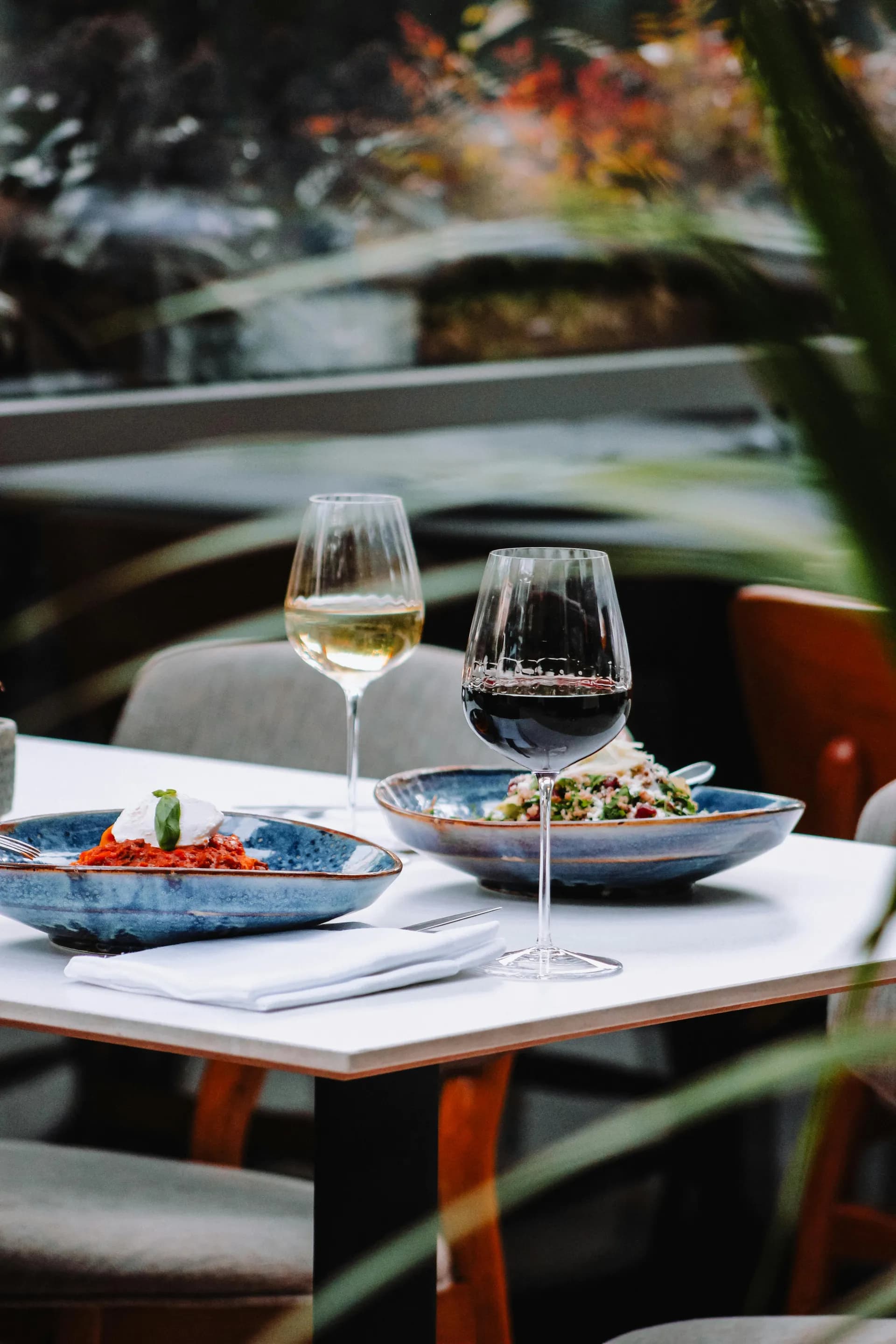
Greek Rice & Pasta in Sauce (Rizi & Youvetsi)
A Greek method post on cooking rice or pasta directly in the sauce to turn vegetables, legumes, seafood, or meat into complete meals.
March 23, 2026
Some of the most comforting Greek meals are built on one simple idea: cook the rice or pasta right in the sauce.
In fact, many of the same dishes can be made with either rice or pasta, using the exact same technique. Once you understand the method, the variations are endless.
This is why Greek cooking is not recipe-based — it is technique-based.
These dishes include:
- vegetable-based rice meals that often end in
-rizo - seafood rice dishes, often
pilafo - traditional pasta dishes like yiouvetsi or those ending in
-makaronada, where pasta finishes cooking in the sauce
These are not side dishes. In the Greek kitchen, they are complete meals — cooked with plenty of olive oil and served with bread and feta, they are deeply satisfying and nourishing on their own.
This method creates meals that are simple, nourishing, and deeply satisfying — and it is at the heart of traditional Mediterranean cooking.
This is how Greeks cook — not by following strict recipes, but by understanding a few simple methods.
Once you understand the method, you can cook instinctively, using what you have, and create simple, nourishing meals every day.
The Greek Technique: Cooking in the Sauce
The pattern is almost always the same:
- Build the base with olive oil and onions, sauteed with a little salt until soft.
- Add vegetables, seafood, or meat.
- Add liquid, usually water, broth, or tomato.
- Add the rice or pasta directly to the pot.
- Let it absorb the flavors as it cooks.
- Finish in the sauce with olive oil and often lemon.
As the starch cooks, it thickens the sauce naturally. That is what makes these dishes feel rich and complete. This is the Greek way.
Rizi: Greek Rice Dishes
These are simple, everyday meals where rice is cooked with vegetables, legumes, or seafood in olive oil. They are most often eaten as main courses, not as accompaniments.
They are nourishing, economical, deeply satisfying, and foundational to the Mediterranean diet.
Vegetable-Based
- Spanakorizo — spinach and rice
- Prasorizo — leeks and rice
- Lahanorizo — cabbage and rice
- Manitarorizo — mushrooms and rice
- Melitzanorizo — eggplant with rice, a regional dish found for example in Lesvos
Legume-Based
- Fakorizo — lentils and rice
- Revithorizo — chickpeas and rice
- Fasolorizo — beans and rice, often made by adding rice to a fasolada-style stew
Seafood
- Mydopilafo — mussels with rice
- Garidopilafo — shrimp with rice
These are often finished with lemon and olive oil, creating bright, flavorful dishes.
Youvetsi: Pasta Cooked in the Sauce
Youvetsi refers to dishes where pasta — usually orzo (kritharaki) or hilopites, the traditional village egg noodles — is cooked directly in the sauce.
Traditional Cooking Method
Traditionally, youvetsi is cooked in a clay pot (gastra) in the oven.
The meat is braised until almost done, then boiling water and uncooked pasta are added directly to the dish and finished in the oven. This allows the pasta to fully absorb the flavors of the meat, tomato, olive oil, and aromatic spices.
A Practical Modern Method
The same result can be achieved on the stovetop.
Once the meat or vegetables are fully cooked, add hot liquid and the pasta directly into the pot, allowing it to finish cooking in the sauce.
You can also briefly parboil longer pasta for 2-3 minutes before adding it, which helps prevent sticking and gives more control over texture.
Classic
- Beef or lamb yiouvetsi
Vegetable Versions
- Eggplant youvetsi, in the variations section of Imam Bayildi
- Cauliflower youvetsi with pasta
- Soufiko with pasta
Seafood Variations
- Garidomakaronada — shrimp with pasta in tomato sauce
- Astakomakaronada — lobster with pasta
Why This Method Matters
This is Mediterranean cooking at its most practical:
- balanced meals with carbohydrates plus plant or animal protein
- generous use of olive oil
- slow cooking for better flavor
- simple ingredients used properly
These dishes are not complicated. They are practical, everyday meals designed to stand on their own — complete, satisfying, and nourishing without the need for additional courses.
The Big Idea
Once you understand this method, you can take:
- vegetables
- legumes
- seafood
- or meat
and turn them into a complete meal using either rice or pasta.
This is how Greeks cook every day.
Want More Greek Wisdom?
Get weekly insights on Greek food, lifestyle, and travel delivered to your inbox.
No spam, ever. Unsubscribe anytime.